
Bay County attracts hundreds of thousands of visitors to its 27 miles of sandy-white beaches on crystal-blue Gulf waters.
Whether you live here or are just visiting, you should know when to swim it or shore it:
- Swim it only if you have a buddy. Make sure to check beach safety flags and any advisories
- Shore it if you have any open cut or wound or a weak immune system
- Everyone should shore it from algae blooms they see or smell
There is always a potential risk of contracting a swimming-related illness when the water is contaminated. However, the outcome depends on the health of the individual.

Water Quality Sampling Data
View data sampling map for fecal bacteria. Florida will continue to monitor water quality will take appropriate measures to protect the health of residents and visitors.
There is no guarantee that you will get sick when an advisory is issued, and no guarantee that you will not get sick when there is no advisory. When bacteria levels exceed the established criteria, or conditions at the beach increase bacterial levels, risks of illness due to microorganism exposure increases.
Most swimming-related illnesses are minor for people in good health, requiring little or no treatment, and usually no long-term health effects. The most common health implications or illness associated with swimming in contaminated water, dependent on type and duration of exposure, include: gastroenteritis (nausea, vomiting, headache, stomachache, fever, and diarrhea); ear, nose, and throat infections; rashes; and wound infections through an open cut or wound.
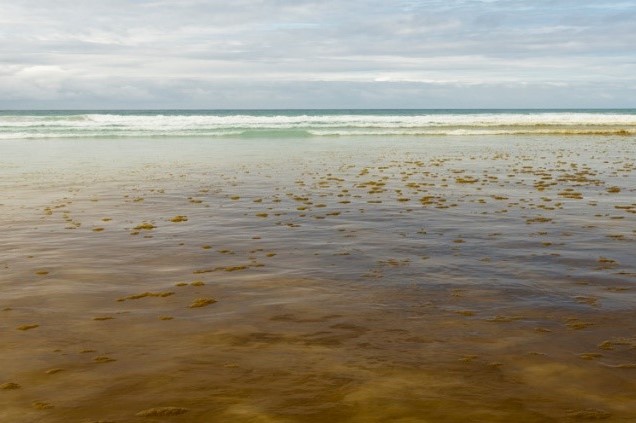
Red Tide
Red tide may cause coughing, sneezing and watery eyes. People with chronic respiratory problems, should avoid areas with active red tide. Seafood sold in restaurants, hotels, grocery stores are markets is safe to eat.

Vibrio vulnificus
Vibrio vulnificus is a naturally occurring bacteria in warm, brackish seawater that can make people sick. The bacteria can enter the body by exposure to open cuts or wounds, or eating undercooked/raw shellfish.